

The One That Got Through
Ketamine Was the First. That Wasn’t an Accident.

Welcome to the inaugural issue of DOSED.
Psychedelics are moving from the margins into mainstream medicine, policy, and culture — quickly. DOSED exists to help you track and understand that shift without needing to follow it full-time. The first Tuesday of every month, we publish a Deep Dive on a related topic. Every other Tuesday? A clear, curated briefing on the rest.
New here? Read the full introduction to DOSED here.
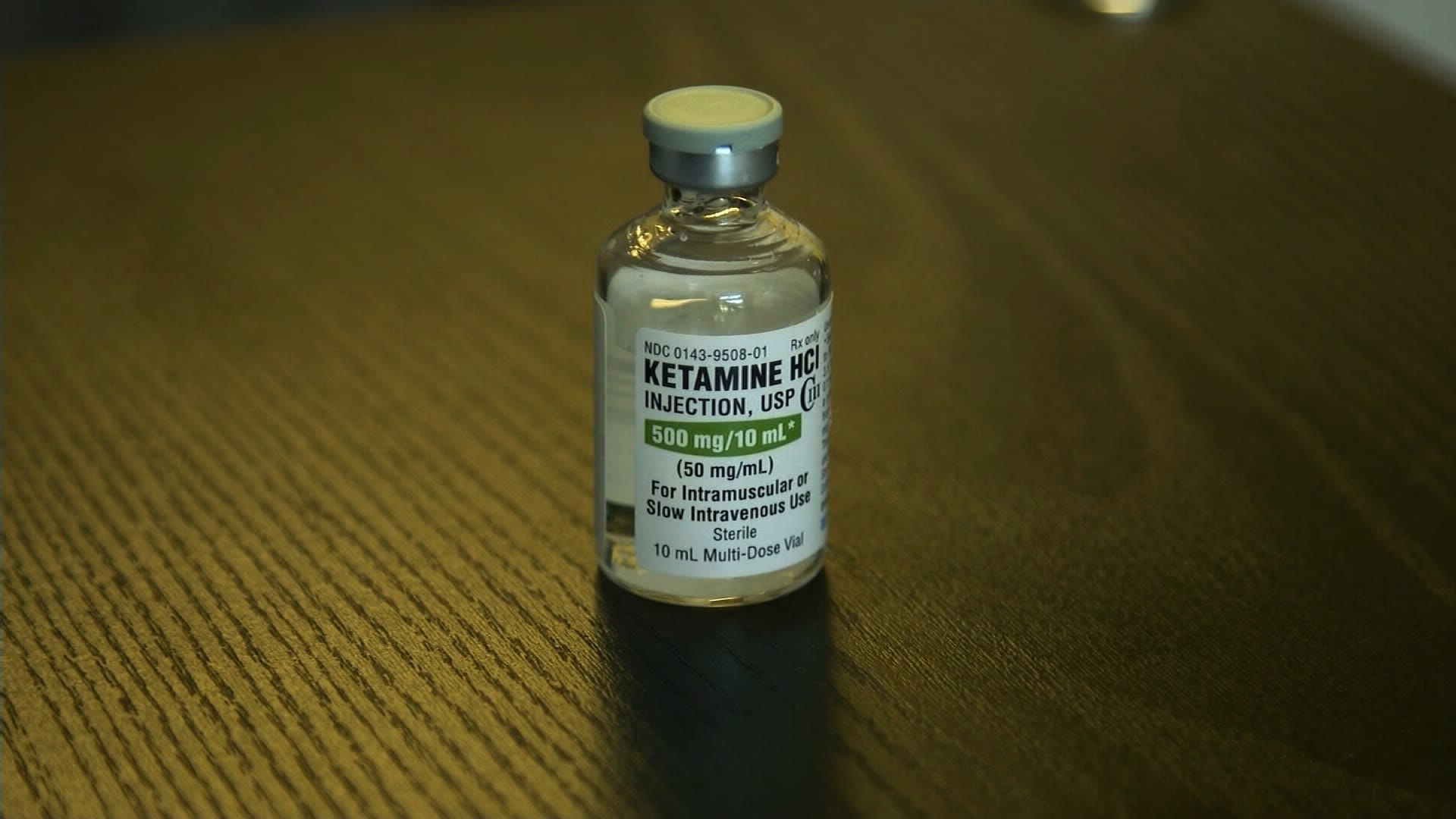
Ketamine is now a billion-dollar antidepressant.
None of the “classic” psychedelics are. That wasn’t random.
Picture the room. It’s dim, deliberately so.
You’re reclined somewhere between a medical chair and a lounge seat. An IV in your arm. Noise-canceling headphones feeding you a playlist someone else chose.
Eyeshades on.
You’ve tried four antidepressants over six years. Two made things worse. One did nothing. One worked, then stopped. This is what your psychiatrist suggests next.
Forty minutes after the drip begins, something shifts.
Not joy. Not clarity. Distance.
Your thoughts feel farther away. The weight lightens.
This is ketamine therapy.
If it sounds futuristic, it isn’t. In 2015, fewer than 100 clinics offered it in the U.S. Today there are more than 1,500. The market reached $3.4 billion in 2023. Some companies will ship the drug to your home after a short video consult. Celebrities discuss it openly. Insurance may cover it.
Ketamine itself isn’t new. It’s been a legal and effective anesthetic since 1970, used in ERs and on battlefields for decades. It’s on the World Health Organization’s essential medicines list.
What’s new is the use case.
In 2019, the FDA approved a nasal-spray version — esketamine — for treatment-resistant depression. That means depression that hasn’t improved after at least two standard medications. Roughly one in three people with major depression fall into that category.
The approval opened a door. The pandemic — and the telehealth expansion that followed — blew it open.
Why It Works
Traditional antidepressants target serotonin and typically take weeks to work, if they work at all.
Ketamine works differently. It acts on glutamate, the brain’s primary excitatory neurotransmitter, and can reduce depressive symptoms within hours.
In a 2024 multi-clinic study, 52% of patients with severe treatment-resistant depression achieved remission after three infusions across eleven days.
For someone who has struggled for years, that speed can feel life-saving.
But ketamine is not doing what other psychedelics do.
It is doing something different in kind.
Psilocybin, MDMA, and LSD are associated in clinical research with profound experiences — often described as meaningful, relational, or even mystical. Studies increasingly suggest that the intensity and personal significance of those experiences correlate with long-term therapeutic outcomes.
The experience itself appears to matter.
Ketamine operates differently. At therapeutic doses, it tends to produce dissociation — a temporary separation from one’s thoughts and emotions. In that gap, depressive rumination quiets and perspective shifts.
For someone in crisis, relief is not trivial. It can buy time. It can interrupt spirals. It can keep someone alive.
But the mechanism is largely symptomatic. The effect often fades. Maintenance treatments are common.
Which raises a harder question: why did ketamine become the first legal psychedelic therapy?
Part of the answer is simple.
Regulators already knew it. It had fifty years of clinical use. Its safety profile — at controlled doses — was documented. Approving a derivative required less institutional leap than approving a compound long classified as Schedule I.
Ketamine fit inside the existing medical frame. The others challenge it.
Ketamine wasn’t first because it’s best. It was first because it fits.
THE ROUND-UP
💊 The First Blockbuster
Johnson & Johnson’s esketamine nasal spray (Spravato) surpassed $1 billion in annual sales in 2024 — the first psychedelic-adjacent treatment to reach blockbuster status.
A single session can cost $590 to $885 out of pocket. A full first-month course may exceed $7,000. Insurance coverage is increasingly common, but typically only after two failed antidepressants.
Access has expanded. But it remains gated.
✉️ Drugs by Mail
Telehealth companies such as Mindbloom report facilitating hundreds of thousands of at-home ketamine sessions since 2019, with medication shipped after virtual evaluation.
In 2025, the company introduced a self-administered injectable version.
The FDA has warned that at-home ketamine may pose additional risks without in-person monitoring. A 2023 wrongful death lawsuit alleges inadequate screening and follow-up in one case; the company disputes those claims.
Pandemic-era telehealth flexibilities expire at the end of 2025. The regulatory future of at-home ketamine remains uncertain.
🧠 The Therapy Gap
Across studies, one finding is consistent: preparation and integration matter.
Ketamine is often marketed as therapy. In practice, standards vary widely.
One clinic may include structured psychotherapy before and after infusions. Another may provide minimal clinical interaction beyond the procedure itself.
There is no federal standard for “ketamine therapy,” no protected title for “ketamine therapist,” and no unified protocol.
Patients rarely know the difference in advance.
🏛️ What’s Next
Ketamine had a regulatory advantage. The substances behind it do not.
Psilocybin services are now legal in Oregon and Colorado under state-regulated systems. MDMA-assisted therapy for PTSD completed Phase 3 trials but received an FDA rejection in 2024 pending further data. Additional trials are underway.
The next wave of psychedelic treatments, if approved, will likely require more structured psychological support than ketamine typically does.
Ketamine may prove to be the bridge, not the destination.
SPOTLIGHT: JOHN KRYSTAL
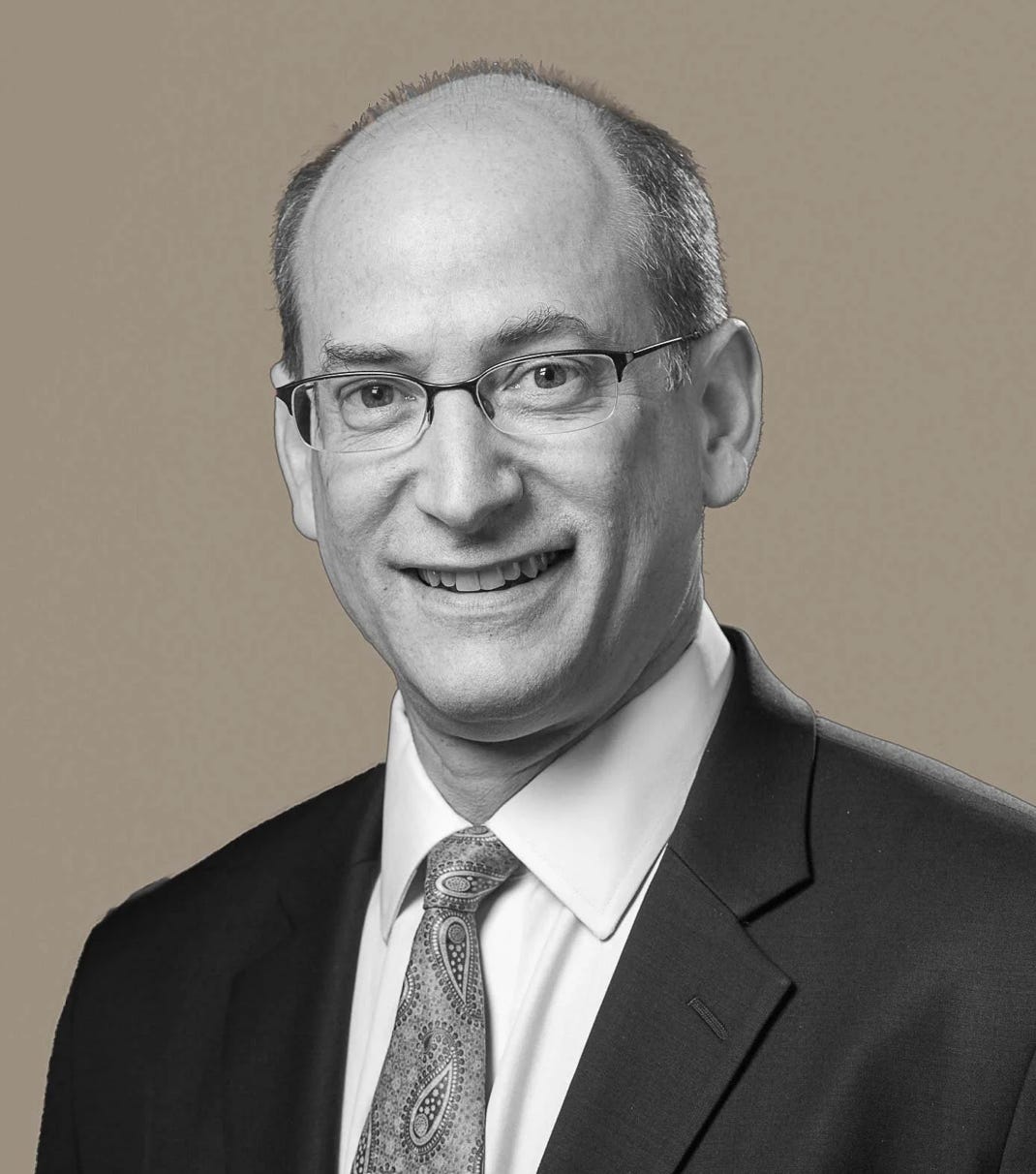
In the early 1990s, Yale psychiatrist John Krystal was studying glutamate’s role in schizophrenia when he observed something unexpected: low doses of ketamine appeared to reduce depressive symptoms — rapidly.
At the time, psychiatry was focused on serotonin. SSRIs dominated treatment. A dissociative anesthetic was not an obvious antidepressant candidate.
The finding sat largely unnoticed.
As treatment-resistant depression became more visible, interest returned. A 2000 study confirmed that a single low dose could significantly reduce depressive symptoms within days. The paper became one of the most cited in psychiatric research.
In 2019, the FDA approved esketamine.
Krystal has consistently emphasized that ketamine should be embedded in broader psychiatric care. The drug alone, he has argued, is unlikely to constitute a complete treatment.
The science opened the door. The market ran through it.
Why This Matters
Ketamine became the first legal psychedelic therapy not because it is the most transformative — but because it was the most institutionally compatible.
It required fewer philosophical concessions.
It could be prescribed, reimbursed, standardized.
It fits.
The next generation of psychedelic treatments may ask more of patients — and of the system that delivers them.
Ketamine may one day be remembered less as the revolution and more as the rehearsal.
RECOMMENDATIONS
📖 Read: “The Ketamine Economy” — NPR / KFF Health News
The best single piece of journalism on the ketamine boom. It opens with a patient in rural California who hadn’t left her house in two years, follows the money through the clinic industry, and doesn’t moralize in either direction. A perfect companion to this issue: everything we’ve argued in the abstract, it shows in the specific.
🎧 Listen: Michael Pollan on Fresh Air — NPR
In this Fresh Air interview, Pollan explains — clearly and without jargon — what classical psychedelics actually do to the brain, why the therapeutic context matters as much as the molecule, and why he deliberately left ketamine out of his book How to Change Your Mind. The interview is from 2019 but nothing in it has dated. Start here if this issue left you wanting to go deeper.
📺 Watch: How to Change Your Mind — Netflix
Pollan’s book became a four-part Netflix documentary in 2022, with one episode each on LSD, psilocybin, MDMA, and mescaline. Ketamine is conspicuously absent — which, after reading this issue, will tell you something. Visually rich, patient-forward, and genuinely accessible to someone who has never thought about any of this before. The LSD episode is the best place to start.
Next month’s Deep Dive: Why the FDA said no to MDMA — and what that means for the entire psychedelic field.